
Got a Hobby? Will Club!
£7,000 to read a book? Pass!
At ReadOn, we don’t just report the markets. We help you understand what truly drives them, so your next decision isn’t just informed, it’s intelligent.
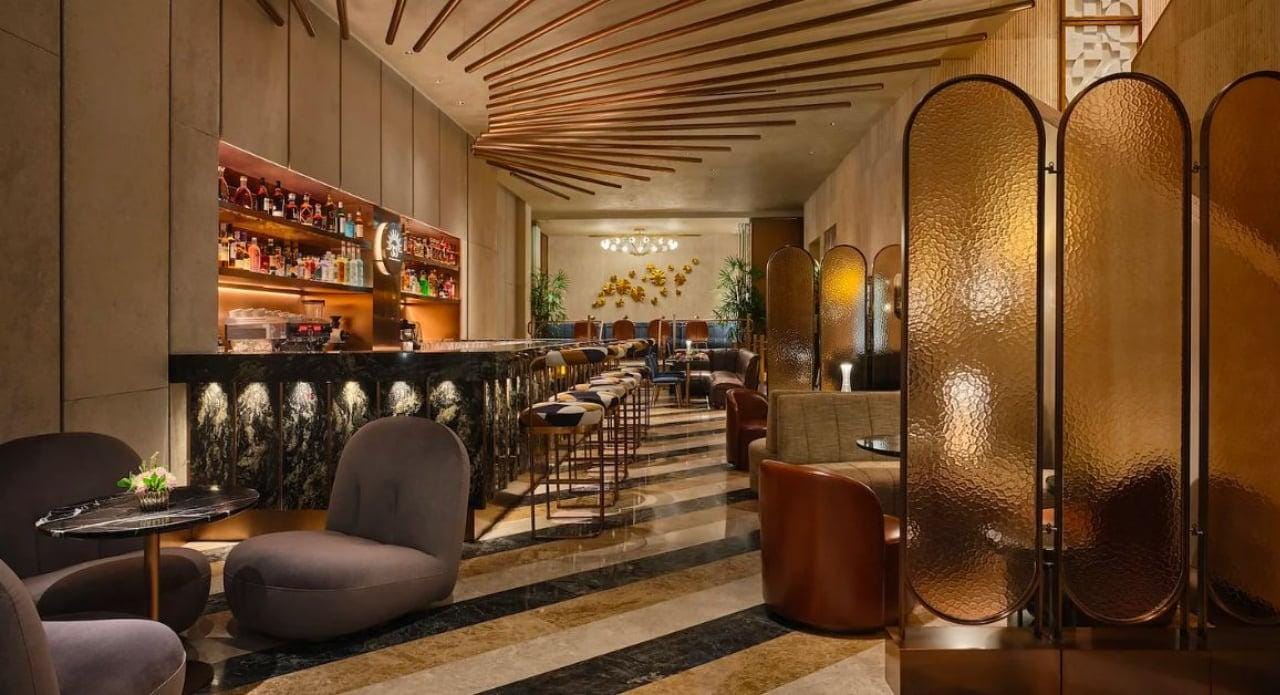
In 1995, a 32-year-old British restaurateur named Nick Jones opened a small members-only club above a Greek Street restaurant in London’s Soho district. He called it Soho House. Three decades later, that single floor has become a global empire of more than 40 locations and over 267,000 paying members. And it isn’t alone.
There’s Casa Cipriani in Lower Manhattan, where the monthly fee is $4,000 and members reportedly got booted for leaking pictures of Taylor Swift. There’s Aman New York, where the initiation fee is a casual $200,000. There’s The Core Club, where even $100,000 won’t get you in if you’re the wrong kind of rich. And there’s Zero Bond, San Vicente Bungalows, The Twenty Two, Annabel’s. It’s a roll call of velvet ropes stretching from Manhattan to Mayfair.
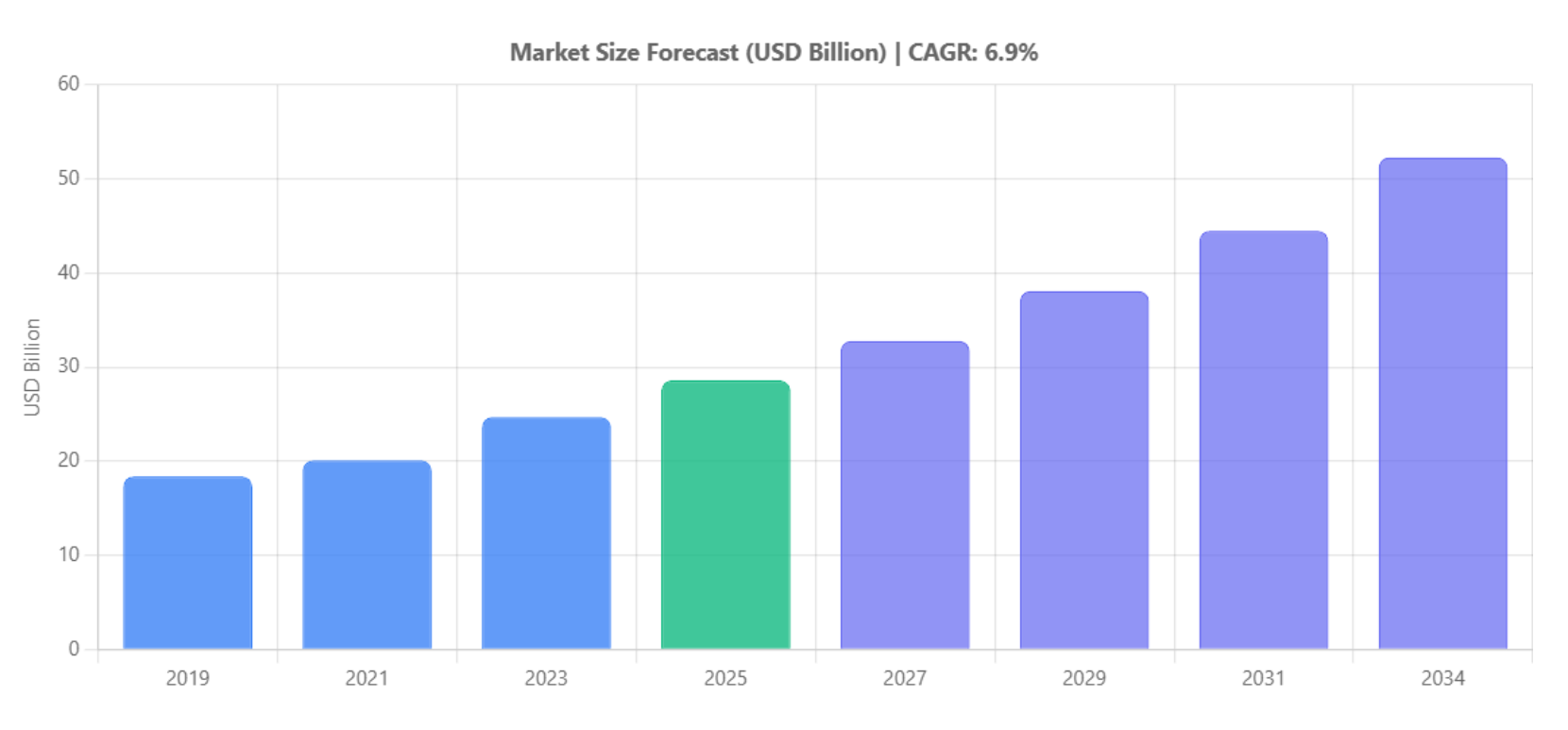
Put it all together and the global private social club industry was valued at $28.6 billion in 2025, with forecasts suggesting it’ll nearly double to $52.3 billion by 2034. Soho House itself was just taken private in a £2 billion ($2.7 billion) buyout led by MCR Hotels, Apollo, and Goldman Sachs, with Ashton Kutcher rolling over his equity to join the board.
So clearly, people are paying serious money to hang out with other people in rooms that look nice.
But here’s the strange part: this wasn’t supposed to happen.
The decade clubs almost died
For most of the 2010s, the obituary for club culture was already being drafted. The old gentlemen’s clubs of Pall Mall were dismissed as colonial relics. American country clubs were hemorrhaging members. Rotary Clubs and Lions Clubs were bleeding membership decade after decade. Robert Putnam’s famous warning in Bowling Alone, that Americans were retreating from civic life, seemed to have finally come true.
The villain was familiar. The smartphone made strangers obsolete. Netflix made the living room a fortress. WhatsApp made even friendships transactional. Sociologists started calling it the disappearance of the “third place”, or the cafés, libraries, and clubs that sit between home and work and hold a society together.
Public library visits in the US fell more than 56% between 2012 and 2022. The number of Americans working from home more than doubled from 2019 to 2023, killing off the daily commute, which was once a place where you’d see strangers reading books and maybe even strike up a conversation. Dinner parties were down 30% from 2000 levels, which were themselves already 45% below the 1950s.
And then came the loneliness epidemic. Young adults today report being almost twice as likely to feel lonely as people over 65. The US Surgeon General called it a public health crisis.
It looked like a death spiral.
The plot twist
Except people, it turns out, really hate being lonely.
Somewhere around 2021, after lockdowns, after Zoom fatigue, after a generation discovered that infinite TikTok scrolling does not actually substitute for human contact, the pendulum swung back. Hard.
Soho House saw membership jump from 112,000 in July 2021 to over 267,000 by late 2024. That’s a climb so steep that the club had to cap intake at 200,000 to stop locations from feeling crowded. Donald Trump Jr. opened a Washington D.C. club with a $500,000 membership fee, and there’s still a waitlist. Tiger Woods and Mike Trout are building a private golf club in New Jersey. Equinox added hotel rooms. Cipriani added apartments. Harrods is launching a private shopping suite in Shanghai.
But the comeback isn’t just at the top end. It’s everywhere, and often, weirdly, in the form of books.
Across the US and UK, a strange new luxury product has emerged: the reading retreat. Bloomberg recently profiled operators like Page Break ($1,000–$1,200), Bad Bitch Book Club ($950–$1,750), and Ladies Who Lit (up to £7,456 for a Mediterranean trip), where mostly women pay four-figure sums to sit in country houses and read in silence next to strangers. Page Break’s Joshua Tree retreat got 50 applications for 15 spots. The founder uses a lottery.
Why? Because reading retreats sell the one thing the modern economy can’t deliver: undisturbed attention in the company of others.
In other words, the same algorithms that killed the third place are now creating demand for a premium version of it.
And then there’s India
You’d think India, with its colonial-era gymkhanas and golf clubs, already had this figured out. And it did, for a very specific demographic.
The problem? Getting into the Bombay Gymkhana or the Delhi Golf Club can take up to 30 years. These are places where your father had to be a member. Or his father. They were built for bureaucrats, erstwhile royals, and senior corporate honchos, not for a 28-year-old founder who just raised a Series A.
India’s new wealth needed somewhere to go. And the market noticed.
Soho House opened its first and only Indian house so far in Juhu, Mumbai in 2018 with annual fees ranging from ₹1.6 lakh to ₹6 lakh. Nearly 46% of its Mumbai members are under 35. Then came The Quorum in Gurugram, Mumbai and Hyderabad, charging ₹3-5 lakh as joining fees and ₹1-2 lakh annually, now boasting over 3,000 members. Bengaluru got BLVD (₹6 lakh annual). Mumbai got Aryaman Birla’s Jolie’s Club. The Ambanis launched The Bay Club, managed by Oberoi.
In total, more than 25 such clubs are now operational, with at least half a dozen more, backed by St. Regis, Four Seasons and others are in the pipeline. According to Axon Developers, the Indian private members’ club market is growing at a CAGR of 17.8% and will hit ₹941 crore by 2027.
But that’s just the premium layer. The real story is underneath.
Because young India, or the nearly broke India, the salaried India, the scrolling India, has been building its own version of club culture. It just doesn’t cost ₹6 lakh.
There are run clubs. After Strava reported a 59% jump in running-club activity in India in one year, group runs have multiplied across Mumbai, Bengaluru, Pune, Hyderabad, and Delhi. Mumbai Road Runners. Pudhechala. Striders. Bengaluru’s tech crowd has embraced 5 a.m. tempo runs the way it once embraced offsites.
There are book clubs. Bring Your Own Book (BYOB) runs chapters across six cities. Bound Together Bombay rotates between Bandra and Colaba on Saturdays. Atta Galatta in Bengaluru. The White Crow in Mumbai. Broke Bibliophile. Some Delhi groups even run “silent book clubs,” where you just sit and read together for an hour. These are India’s own grassroots version of those $1,000 Bloomberg retreats, minus three zeros and the Welsh countryside.
There are supper clubs. Pottery clubs. Cycling clubs. Whisky clubs. Sketch clubs.
The pattern is the same one playing out in New York and London, just stripped of the velvet rope. The Bay Club, Soho House, and a Saturday park book meet-up are all selling the same thing: a place to belong that isn’t your office or your kitchen.
The Takeaway
Two industries are emerging from the rubble of the third place. One is luxury, or the $41 billion private club business, India included. The other is grassroots, or the run clubs and book clubs and supper clubs filling Mumbai parks and Bengaluru cafés on weekends.
Both are bets on the same thesis: that human beings, even very online ones, eventually want to be in the same room.
For investors, that means private members’ clubs, premium hospitality, and community-led brands have a real tailwind, not a fad. For everyone else, it’s simpler: the cheapest, oldest hobby remains startlingly underrated. Find people. Show up. Repeat.
Turns out, the algorithm couldn’t replace that one.
Until we meet again, maybe beyond these words, ReadOn!